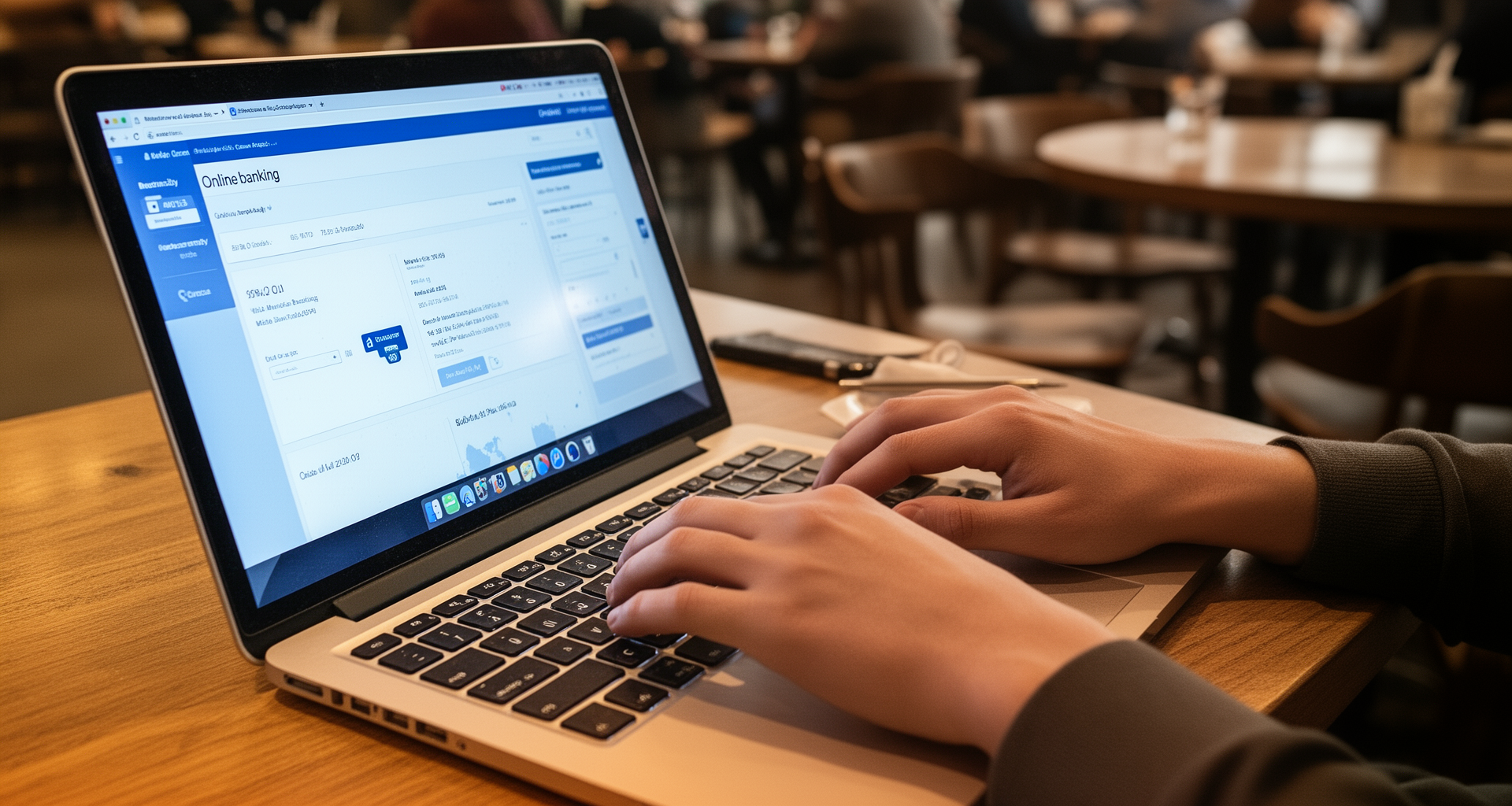
Freelancers and remote workers often need an account to receive payment from foreign clients and spend in several currencies - without visiting a bank and with minimal paperwork. Below are options that let you open an account or get payment details fully online.
Why open remotely
Remote onboarding lets you receive euros, dollars, and other currencies, convert at competitive rates, and pay by card worldwide. That fits travel, international clients, and not tying yourself to one branch in one country. Traditional banks often require an in-person visit and local proof of address; fintechs and neobanks usually stop at ID and online address verification.
For Russian citizens
For Russian residents the set of available international services has shifted: some global providers restricted or exited the market.
Often still available for Russian citizens: receive from foreign platforms and clients, withdraw to Russian accounts or cards, optional card for spending abroad. A main option for freelancers and marketplace sellers.
Withdrawals to Russian accounts and cards were restricted; check paypal.com for current receive and payout rules.
New account opening and some operations for Russian residents are restricted - verify on wise.com.
App and cards for Russian residents were limited; after changing tax residence the service may work under your new address.
Russian e-wallet: RUB in/out, cards and bank withdrawals in Russia.
RUB accounts and cards; transfers within current restrictions; receiving from Western clients via SEPA/SWIFT is often limited.
Some freelancers use crypto for inflows or cash-out; legal status and risks need separate review.
If you are a Russian citizen planning relocation, open and verify Wise, Revolut, or Payoneer before changing tax residence - access after a move is often easier. Check provider sites and support for the latest options.
EU restrictions for Russian passport holders
Since 2022 the EU adopted sanctions packages related to Ukraine. They also affect banking for Russian citizens and Russian companies.
EU rules prohibit EU credit institutions from accepting deposits from Russian nationals and residents of Russia above €100,000. Banks must freeze amounts above the cap or refuse them. Listed persons face full asset freezes.
Many EU and UK banks and fintechs stopped onboarding new clients with Russian citizenship or residence and closed existing accounts - driven by risk policy and sanctions compliance (KYC/AML).
Individuals and entities on EU, UK, US, and Swiss lists face asset freezes and bans on financial services. Banks must screen against these lists.
Switzerland aligned with EU Russia-related measures. Swiss banks also restrict or refuse service for Russian passport holders or residents; terms vary by bank and client profile.
For the latest restrictions and exceptions use official sources: European Commission, national regulators, and individual banks.
Fintechs and neobanks: overview
Dozens of services now open accounts or issue payment details remotely.
Wise, Revolut, Payoneer, Paysera - euro IBAN and other local details, USD, GBP, etc., conversion near mid-market, SEPA/SWIFT inflows.
Revolut, N26, bunq, Monese, Starling (UK) - account and card after passport KYC, often with local IBAN.
PayPal - receive by email, withdraw to account or card; handy when clients already use PayPal.
Payoneer (Upwork, Fiverr, Amazon, etc.), Wise (direct client transfers), PayPal.
Mercury, Brex (US), Qonto, Kontist (EU) - often need local business registration.
Airwallex (business multi-currency), Currencycloud (API), OFX, WorldFirst - larger transfers and B2B.
Availability depends on residence and nationality - some work almost globally, others only EU, UK, or US. Details on the most used options follow.
A top pick for freelancers: multi-currency balances with local details (euro IBAN, USD routing, GBP, etc.), debit card for spend and ATM. Open with passport and proof of address, fully in app or browser. Fees are transparent; FX is near mid-market. Fits receiving from EU, US, and other regions without a local brick-and-mortar bank. Terms depend on residence and nationality - see wise.com.
Receive from clients by email and withdraw to a linked bank account or card. Familiar for many buyers. Downsides: payout and FX fees, country limits. A common stack: PayPal for inbound, Wise or a neobank card for holding and spending at better rates. Neobanks (Revolut, N26, etc.) also open remotely on passport with multi-currency accounts.
Revolut, N26, bunq, Monese, Payoneer issue accounts and cards after ID and selfie, sometimes address proof. Rules vary: card-only in some countries, full IBAN in others. Payoneer is popular for marketplace payouts (Upwork, Fiverr, Amazon). Revolut and N26 offer multi-currency balances; bunq offers multiple IBANs. Check current country lists - limits and fees change.
Banks in Switzerland, Kazakhstan, Georgia
Examples of banks that have opened for non-residents, including Russian citizens. Terms change - verify on bank sites before applying.
After sanctions many Swiss banks tightened policy toward Russian clients. Opening may require a visit, source-of-funds proof, and status (residence, business). Names traditionally used by non-residents include UBS, Credit Suisse (now part of UBS), Raiffeisen Switzerland, PostFinance, cantonal banks (BCV, BCGE, ZKB, etc.). Minimums and fees are high; without large balances or local ties a Swiss account is often unrealistic. Check each bank’s current Russian-client policy.
Banks may open for non-residents with passport; some ask for IIN, income letter, or address proof. Examples: Halyk Bank, Kaspi Bank (incl. Kaspi.kz app), Forte Bank, Eurasian Bank, Jusan Bank. A branch visit is often required; some offer remote onboarding. Check currencies (KZT, USD, EUR), fees, and limits on bank websites.
Popular with relocators; many open for non-residents on passport, sometimes with address proof or a branch visit. Examples: TBC Bank, Bank of Georgia, Liberty Bank, Tera Bank, ProCredit Bank. GEL, USD, EUR accounts and cards. Requirements for non-residents - on each bank’s site.
In both Kazakhstan and Georgia rules and bank policies evolve - confirm documents and onboarding before moving funds.
What to consider
Before choosing: which currencies you need for inbound pay; fees for top-up, withdrawal, and FX; whether a debit card ships to your country; turnover limits and source-of-funds checks. For regular client payouts, Wise or Wise + neobank often suffices. For a “classic” account in a given country without a visit, options are fewer. Keep most funds with a licensed provider and avoid parking large balances on non-bank platforms.


