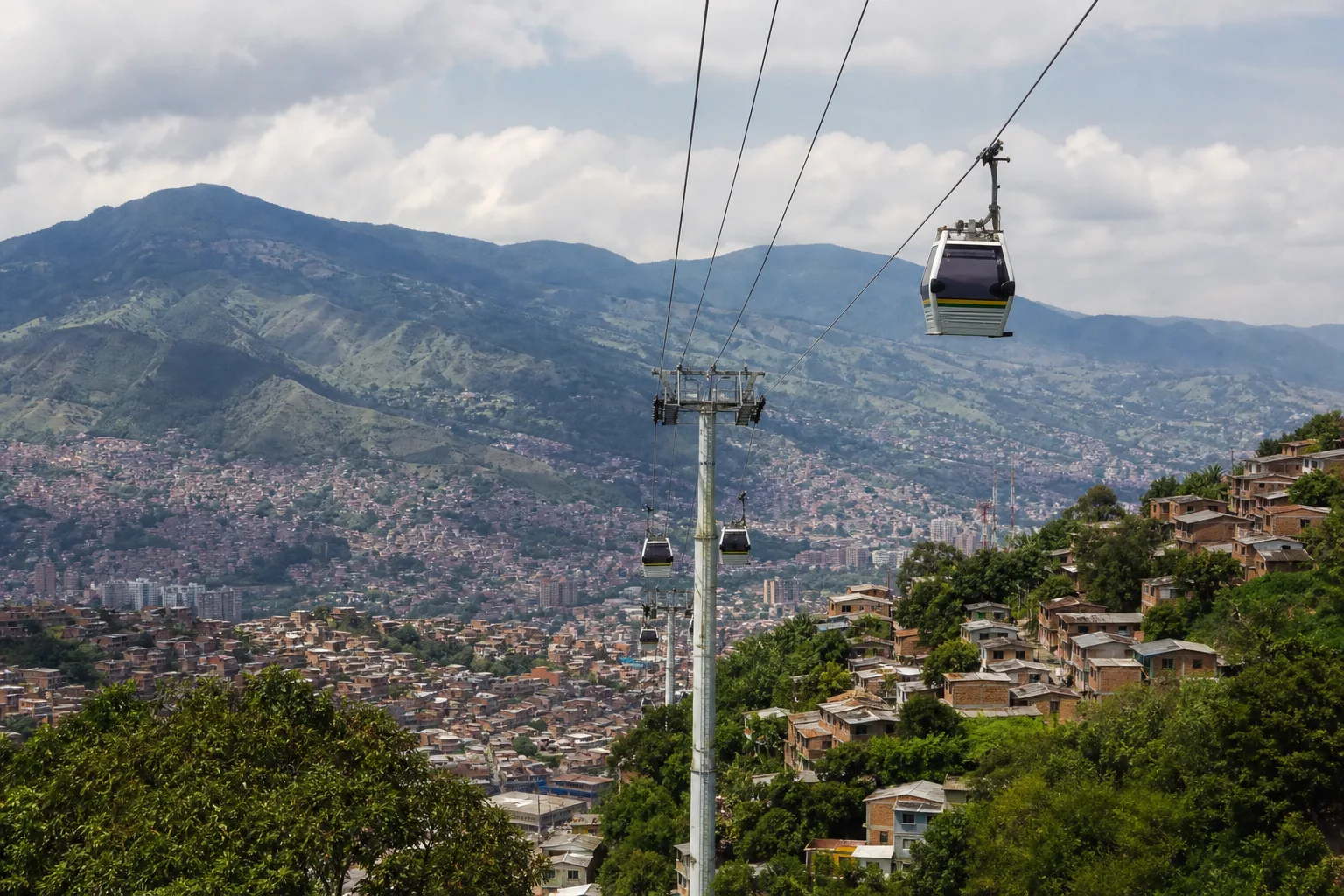
Colombia is a deeply multicultural country where the traditions of many peoples and cultures intersect and find expression in everyday life, relationships, and the way people meet. The lasting influence of Spanish, African, and indigenous heritage creates a distinctive social atmosphere dominated by openness, emotional expressiveness, and a genuine desire to connect. This is especially visible in major cities such as Medellín, Bogotá, and Cartagena, where residents actively engage with one another through public gatherings, cultural events, and festivals that bring strangers together in the street and in shared spaces.
Multicultural influence on dating
Multiculturalism in Colombia is visible not only in architecture, music, and cuisine but in everyday social behavior. The influence of diverse ethnic and cultural groups—Spanish, African, and indigenous communities—has made Colombians notably friendly and open to conversation. That openness extends to cross-cultural dating, especially with foreigners. Tourists and expats arriving in Colombia often discover that locals are quick to start a conversation and genuinely curious about other cultures and ways of life.
Spanish influence
Spanish culture brought traditions of romance, flirtation, and gallantry that remain an important part of daily interaction. Men often pursue women actively, and compliments and romantic gestures are a natural, expected part of how relationships begin and develop.
African heritage
African roots infused Colombian culture with a passion for dance, music, and expressing emotion through movement. Music and dance are central elements of meeting people at cultural and public events—from neighborhood parties to carnivals and festivals where rhythm and shared movement create instant connection.
Indigenous peoples
The influence of indigenous peoples can still be felt in how Colombians communicate. Traditional values such as respect for nature, family, and community persist and shape communication styles and the way relationships form. In some regions of Colombia, deep respect for tradition and family ties remains a visible part of social life.
Tourists and expats in multicultural Colombia
Foreigners in Colombia are often perceived as something new and exotic, which naturally sparks interest among locals. Tourists may notice that they are readily invited to events, dinners, or shared walks through the city. Colombians, as a rule, show particular attention to expats, happily sharing their culture and teaching visitors local customs and traditions.
In major cities such as Bogotá and Medellín, entire expat communities have formed and integrate easily into local social life. Nightclubs, bars, restaurants, and cultural events are places where you can meet Colombians and people from around the world—with the same safety awareness recommended elsewhere in this section.
Dating and fast-moving relationships
Colombian culture encourages a faster pace of romantic development than many foreigners expect. Flirtation is considered normal here, and romantic gestures—gifts, compliments, invitations for a walk—may appear already in the early stages of getting to know someone. Warmth and attention are not automatically a sign of safety; keep clear boundaries and read the safety tips.
Directness and emotion
Colombians are often very direct in expressing feelings and emotions. Men and women may not hesitate to give compliments or show interest in a potential partner. This open, emotional behavior reflects the passion characteristic of Latin American culture—though it does not always signal long-term commitment.
Attitudes toward flirtation
Flirtation in Colombia does not always mean serious intentions. Locals are accustomed to relaxed, easy conversation, and flirting is often seen as a way to start contact or simply enjoy the moment. For tourists this can come as a surprise, so it is important to understand the cultural context—and not let charm override caution.
The role of dance and music in dating
Music and dance occupy a central place in Colombian culture and play an important role in meeting people and developing romantic connections. Salsa, bachata, cumbia, and other styles allow people to express themselves and connect without words. Dance is a form of communication often accompanied by flirtation and an atmosphere of romance—in busy venues with drinks, apply the same drink and location rules as on dates.
Dance clubs
In Colombia, dance clubs are among the main places to meet people. Here tourists and locals alike can relax, enjoy live music, and interact on the dance floor. For many, it is a natural way to start a conversation and a first connection—with the usual nightlife risks unchanged.
Festivals and cultural events
Colombia hosts numerous festivals and celebrations, such as the Carnival of Barranquilla, which draw people from across the country. During these events people meet freely and soak in a festive mood, creating excellent conditions for new acquaintances and romantic connections—along with the same need for awareness in crowds and with strangers.