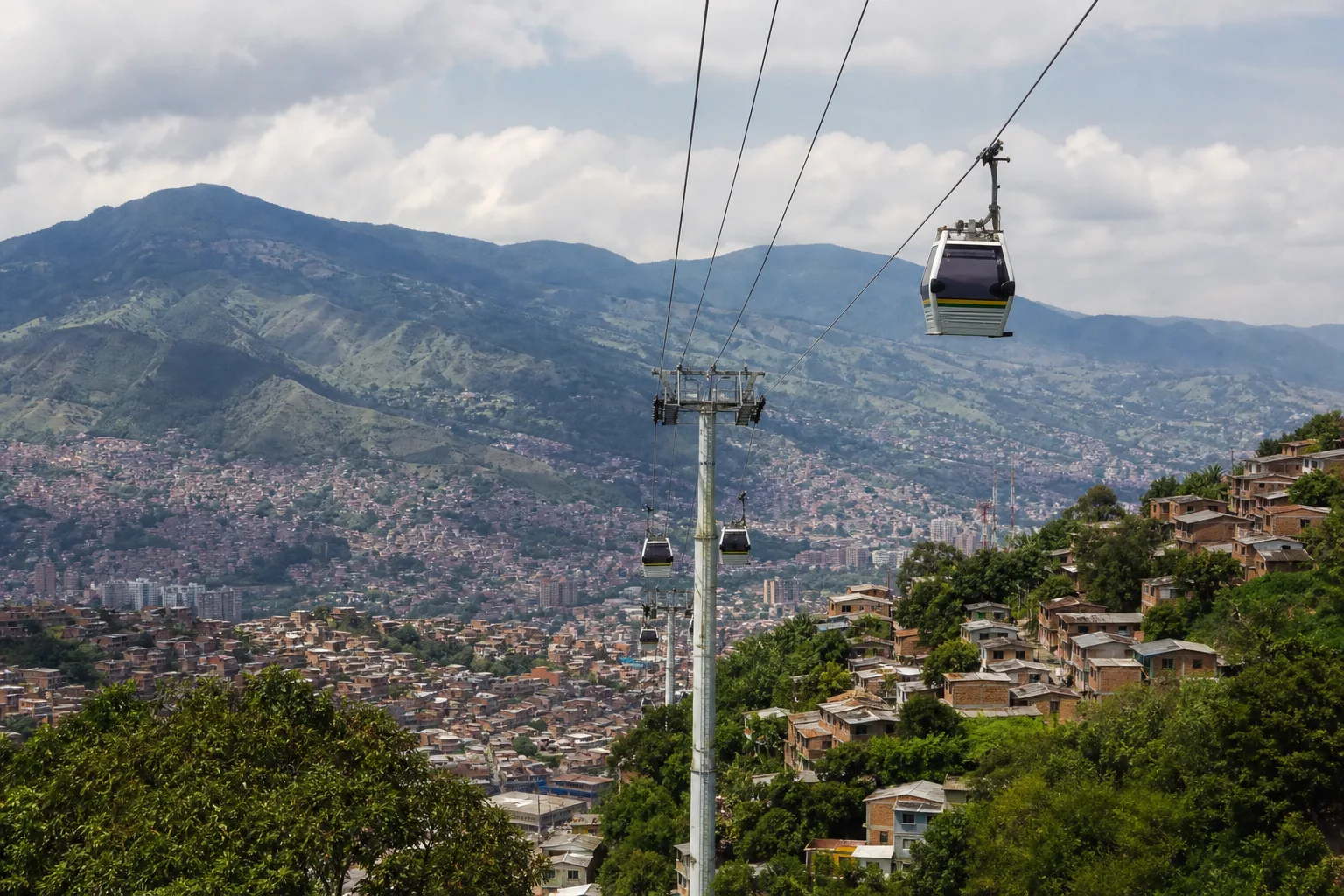
People rarely come here “because they have to.” More often it is because they want a soft climate, reasonable prices, and the feeling that the city is still alive — not polished for Airbnb.
Colombia has become one of Latin America’s main hubs for relocators. Below: why people stay, what draws them in, and what to know before you buy a ticket. Holidays are covered separately: Holidays.
Why people come
In Medellín and at mid elevation there is almost no winter in the usual sense: warm by day, cool in the evening, and air conditioning is often unnecessary. This is the “eternal spring” everyone writes about — not marketing, but daily life.
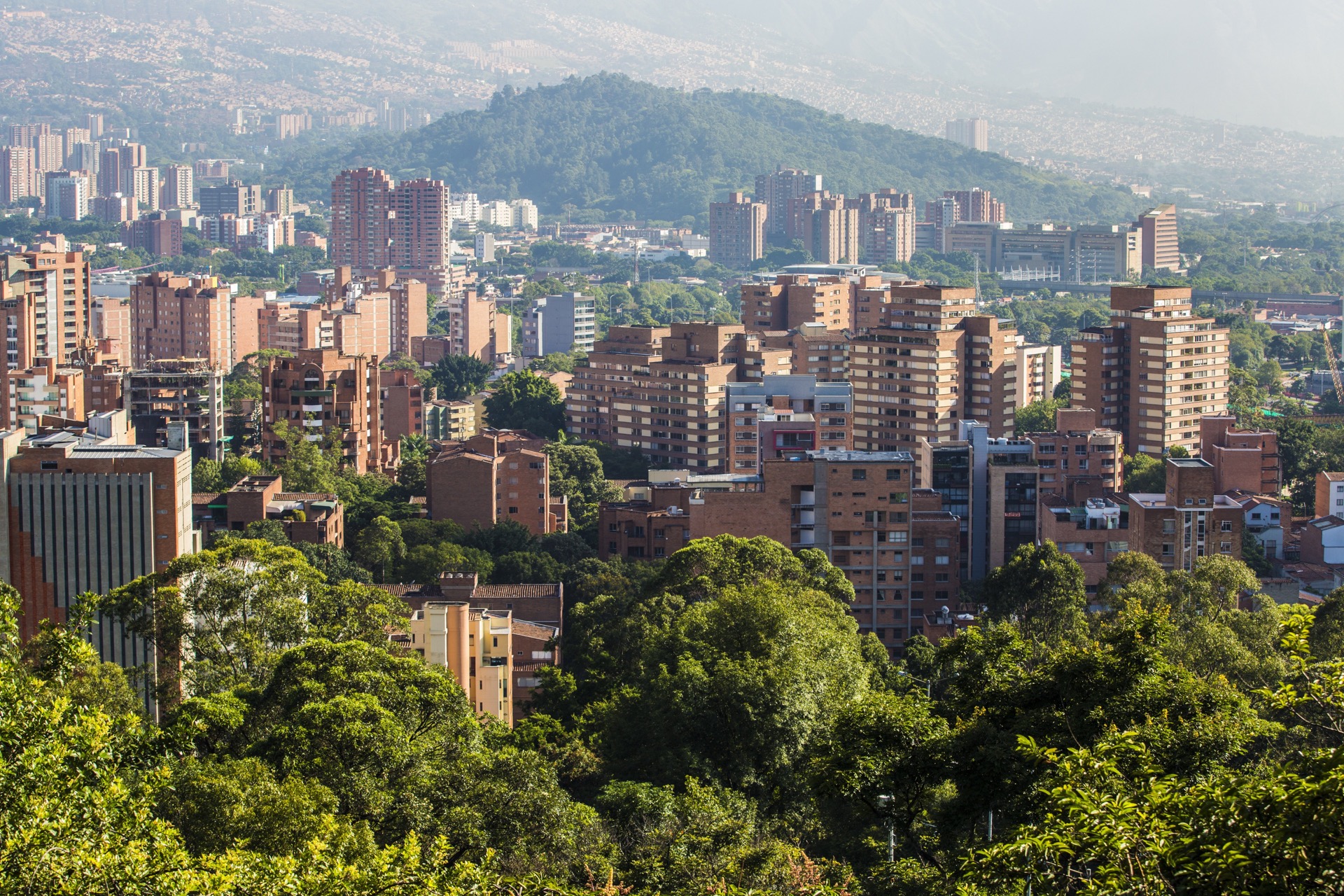
Budget is usually below European and US levels: rent, lunches, coffee, taxis. Numbers shift by city and neighborhood — benchmark on Numbeo; our breakdown: climate, prices, legalization.
There are many remote workers and expats around — easy to find chats, coworking spaces, and people like you. Cafés here are not decoration but a workspace: you can sit with a laptop for half a day and nobody gives you side-eye. More on work spots: Office in the jungle.
For many passports — visa-free up to 90 days, then visas and extensions. Start with Visa and documents; for remote work — Digital Nomad.
How the country is built
Before the Spanish, Muisca, Tayrona, Quimbaya, and dozens of other peoples lived here. Then came the colony, the Viceroyalty of New Granada, and the war for independence with Bolívar and Santander. Short overview: Britannica.
The 20th century was harsh: La Violencia, cartels, guerrillas. Since the 2000s the conflict eased, cities grew, and tourism and remote work drew fresh interest to the country. The 2016 FARC agreement — text on UN Peacemaker.
Today’s Colombia is not a “postcard from the 90s.” It is a country of strong regions, each city with its own character, and a wildly varied climate: three Andean chains pack the cool capital and Caribbean heat into one country.
Culture you feel in daily life
Colombians often describe themselves through calidez — warmth. Not tourist-service politeness, but the habit of talking, joking, and offering help. In one neighborhood you might hear salsa; in another, vallenato or reggaeton — on the square someone is almost always dancing or playing music louder than “proper” in Europe.
Food is a language of its own. Bandeja paisa, cheese arepa, ajiaco in Bogotá, fresh juice on every corner. The coffee region (Eje Cafetero) is not just postcards: the landscape is UNESCO-listed, and a post-lunch tinto is almost a ritual. More on cuisine: Food. Language and accents: Spanish.
Cities where people settle
Most nomads revolve around a handful of hubs. Where to travel: City guide. Where to live: Life by city.
Medellín — the main magnet: climate, metro and Metrocable, coworking spaces, and a tight-knit community. A personal view: Medellín through a nomad’s eyes; daily life: Life in Medellín.
Bogotá — the capital at ~2,600 m: cooler, more offices and events, a different rhythm. Life in Bogotá.
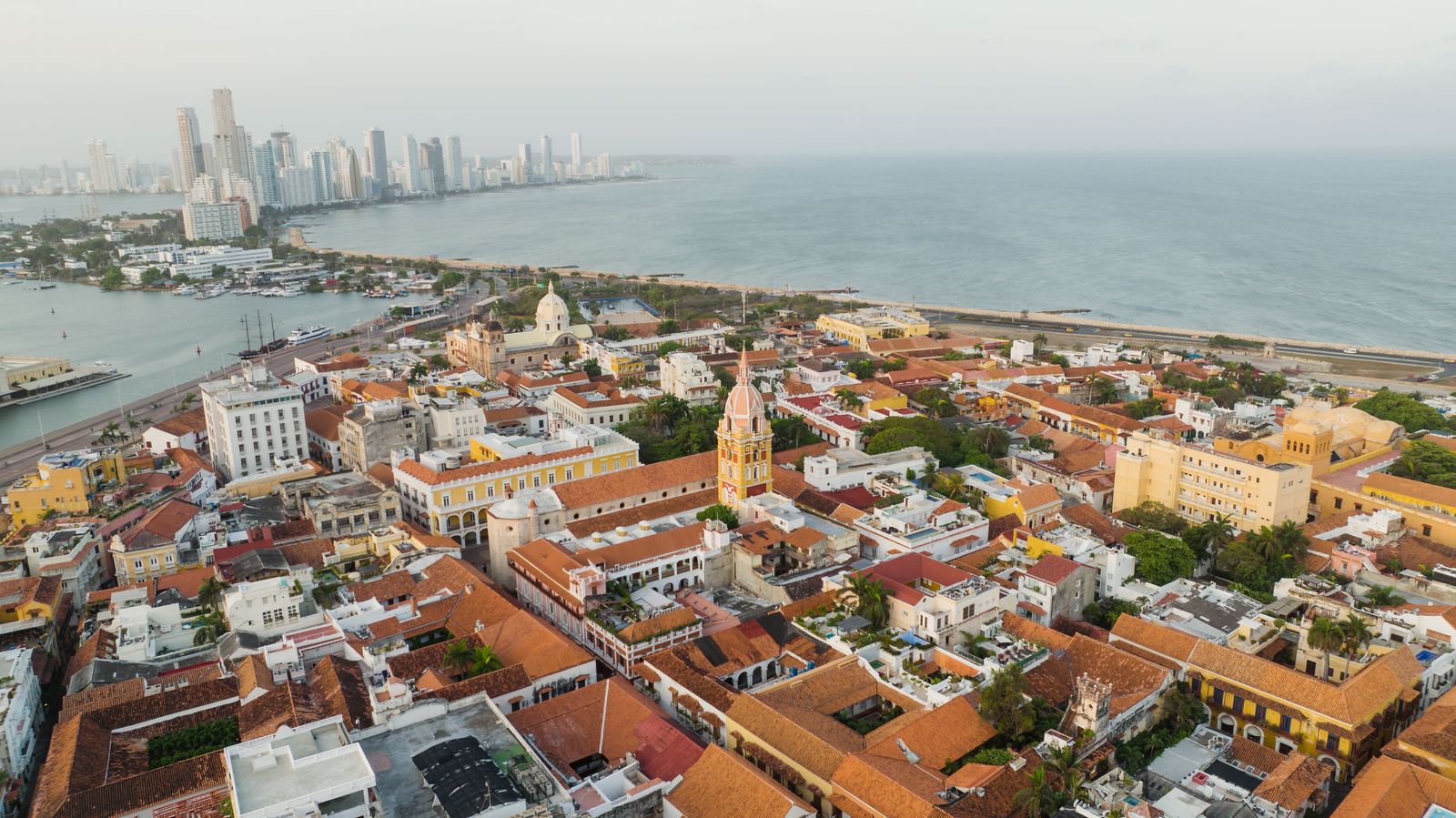
Cartagena — the Caribbean, the walls of the Old Town (UNESCO site), heat and humidity, and higher prices in season. Life in Cartagena.
Cali — salsa, hot climate, and a growing community. Life in Cali.
Nature nearby
A short flight can put you by the ocean, in coffee hills, or in a valley of wax palms. The country ranks among the most biodiverse on the planet — not an abstraction: greenery and terrain shift every couple of hours on the road.
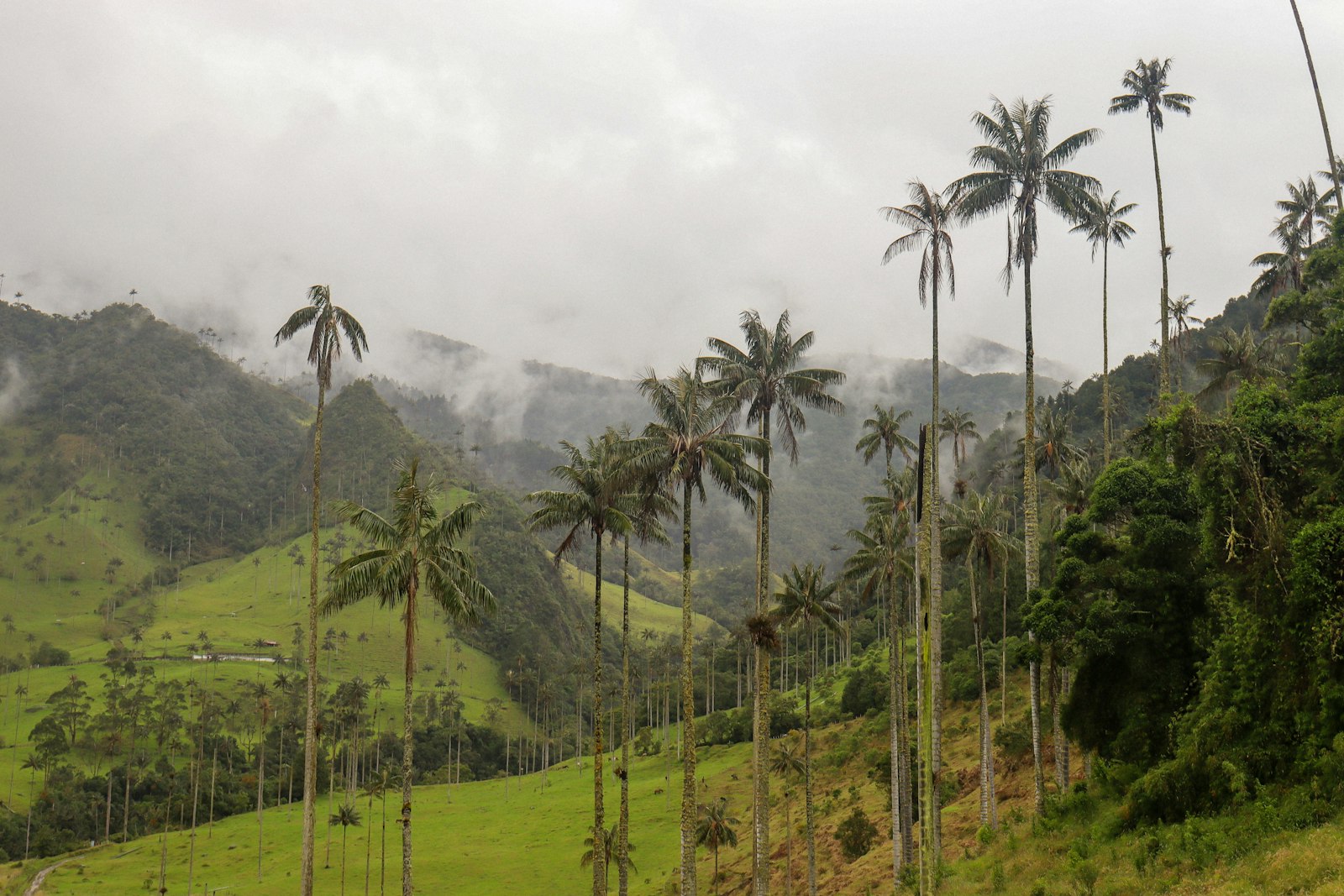
Cocora Valley is one of those views that makes people extend their ticket “for one more month.” Nearby is rural Antioquia with hills and fincas — if you want quiet after the city, it is close.
What to know upfront
Colombia is not a turnkey safe resort. There is crime, traffic, chaos, and bureaucracy — and right alongside that, a warm daily life you can fall for if you do not expect Europe in miniature.
The main rule: you are a guest here. Tourists are often spotted by their looks, rudeness, and zero Spanish. Do not get involved with people who have drug problems or a criminal past — look for people who avoid conflict. Locals dislike rudeness and can be touchy: politeness and a smile are not “service” here, they are the norm. Language greatly expands your life — without it you stay in an English-speaking bubble; more: Spanish.
Mañana is not laziness but a rhythm: much gets done slowly, and “later” often comes without a specific date. Better to adjust to this early — otherwise the country will irritate you every day.
In city centers and near bars, music can play until four in the morning; pick housing away from noisy streets — see Housing. Streets can be dirty and smelly, but Colombian homes are usually clean. Dogs are loved, but people do not always clean up after them — watch your step. Tips in cafés are usually 10–15%; in good places service is often already in the bill — still check the receipt. Internet depends heavily on the neighborhood: hundreds of Mbps in one place, barely enough for a call in another. Online shopping — AliExpress and MercadoLibre, with reviews.
Do not flash money or expensive things; do not walk down the street with your phone and Google Maps in hand; do not accept food or drinks from strangers; do not wander alone at night on empty streets. The local formula — no dar papaya. Pickpockets strike in transport and at metro entrances more often than it seems; be cautious with taxis and “convenient” offers. Details: Crime, SCAM, Transport. Currency exchange at the airport exists, but paying by card is often easier; for daily life almost everyone needs a layer of Nequi / wallets — see Finance. Do not confuse mil (thousand) and millones (millions). It is a poor country — do not be surprised by “lend me till tomorrow” from people you barely know.
Time zone is UTC−5: roughly −8 hours from Moscow in winter and −9 in summer — convenient for calls with the US. Seasons — dry (December–March) and rainy (April–May, October–November); in Medellín the rains are softer, on the coast they are heavier. Official consular advisories (check for updates): US State Department.
Read next
If you need not an overview but experience from the inside:
- Colombia through a nomad’s eyes: Medellín from the inside
- Office in the jungle: where to live and work
- Climate, prices, legalization
- Between mountains and freelancing
- Colombia in 2026: reforms and visas
You can send your own stories to the Stories about Colombiasection.