
In Colombia fruit is not dessert at the end of a meal - it is the air of the city. The market smells sweet and sour at once, a glass of juice in a café costs less than a cappuccino, and a bag on the corner may hold something you never saw in a European supermarket.
Below is not a botany encyclopedia but a flavor map: what to try first, what to drink, what to eat with a spoon, and where to hunt for oddities like chontaduro.
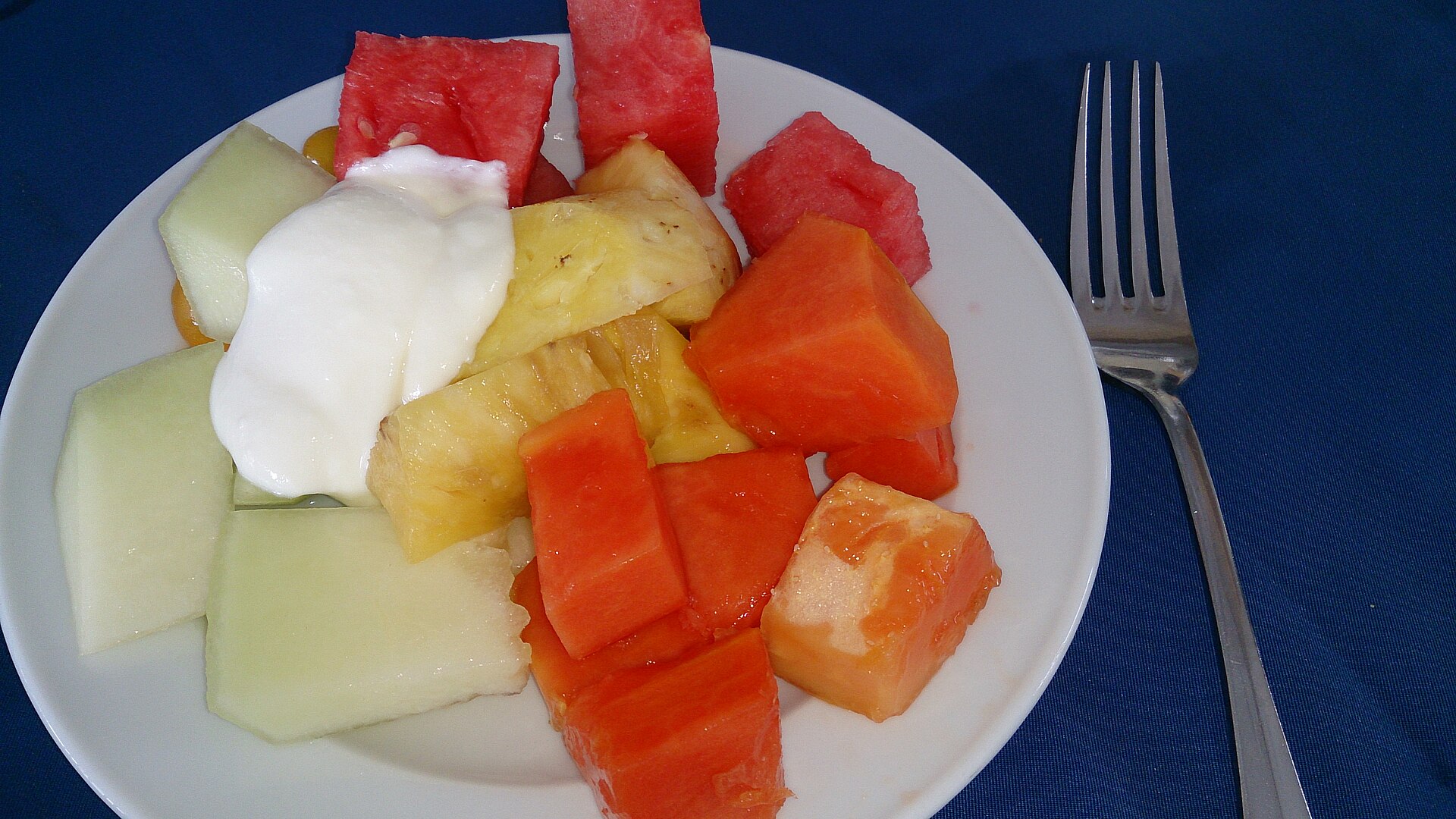
Seasonality barely exists in the usual sense - something is always ripe. Start with street juices and fruta picada (a sliced fruit plate). Then chase gulupa, lulo, and yellow pitaya.
The passion fruit family
Three relatives, three characters. Easy to mix up in Europe - here you tell them apart from the first sip.
Maracuyá
Yellow, sour, fragrant - the queen of juices. More often drunk than eaten with a spoon: jugo de maracuyá in water or milk. If the skin is slightly wrinkled, the fruit is riper and sweeter - do not worry.
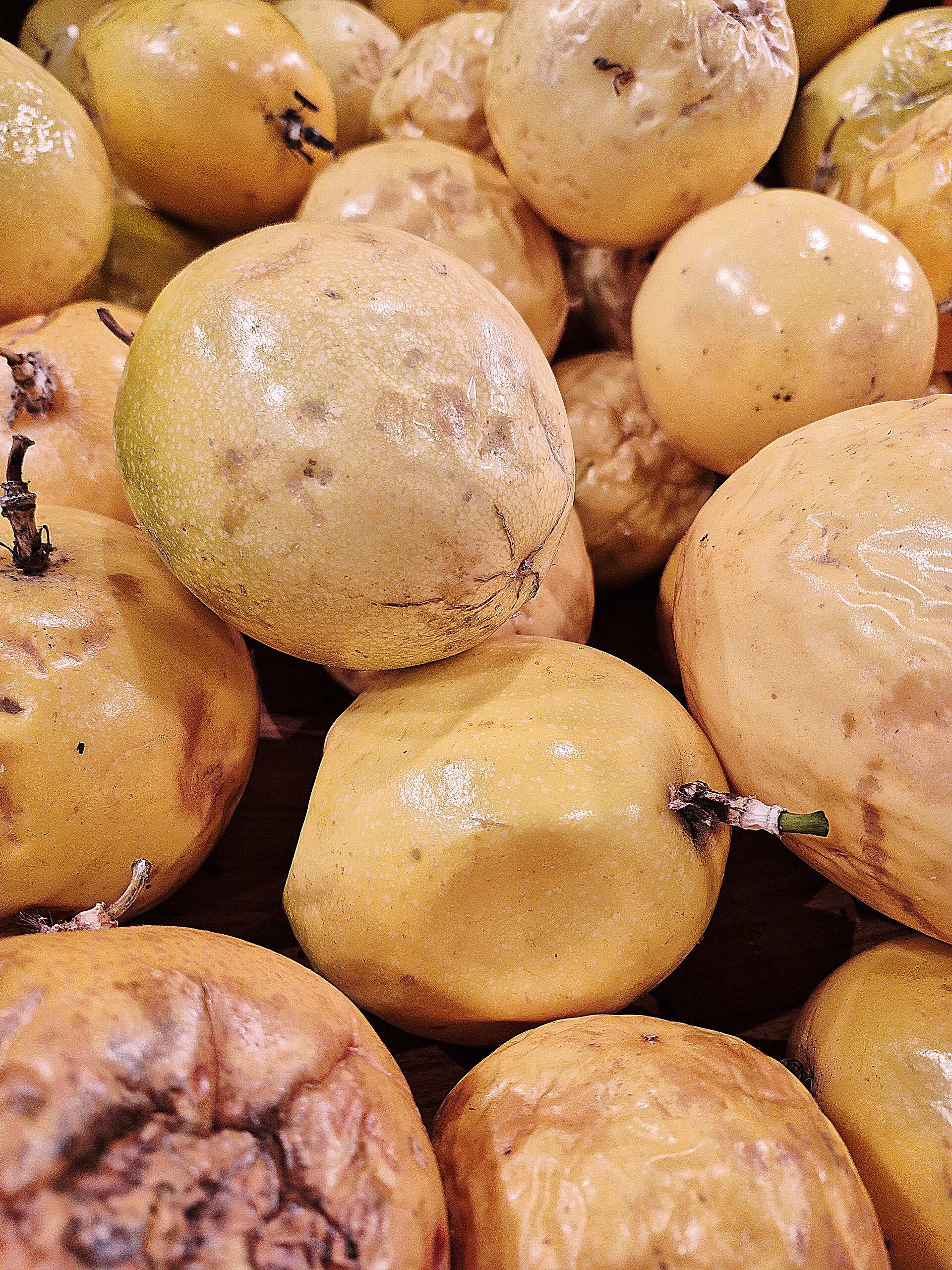
Gulupa
Purple “cousin” of maracuyá: smaller, more aromatic, softer on acidity. In Europe it is often sold as “passion fruit” - in Colombia it is a separate name and a separate taste.
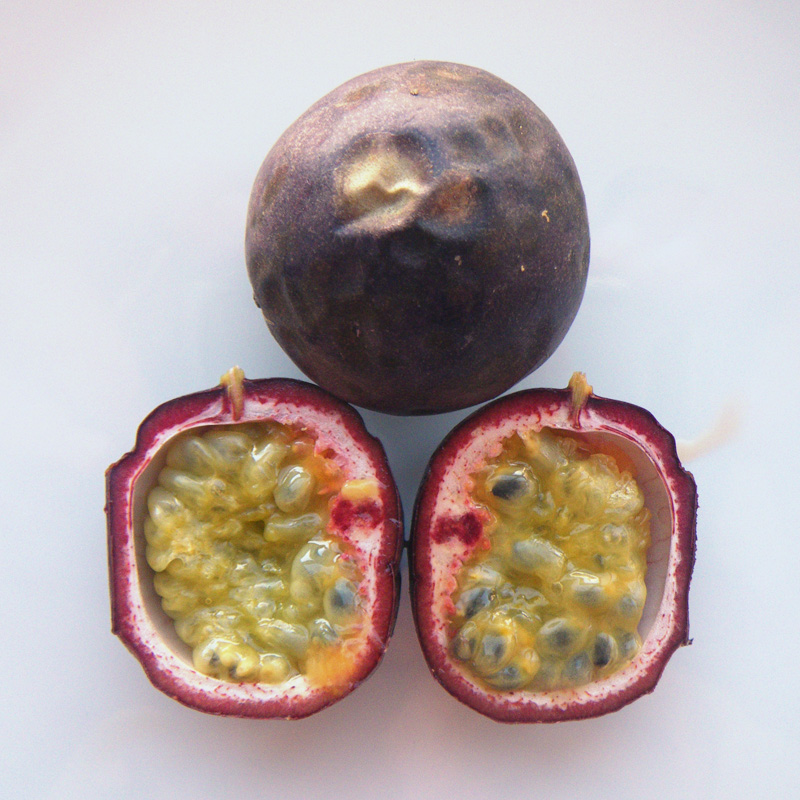
Granadilla
Orange shell, inside sweet jelly-like pulp with seeds. Eaten with a spoon like a ready dessert. Less “punchy” than maracuyá - good for the road and for kids.
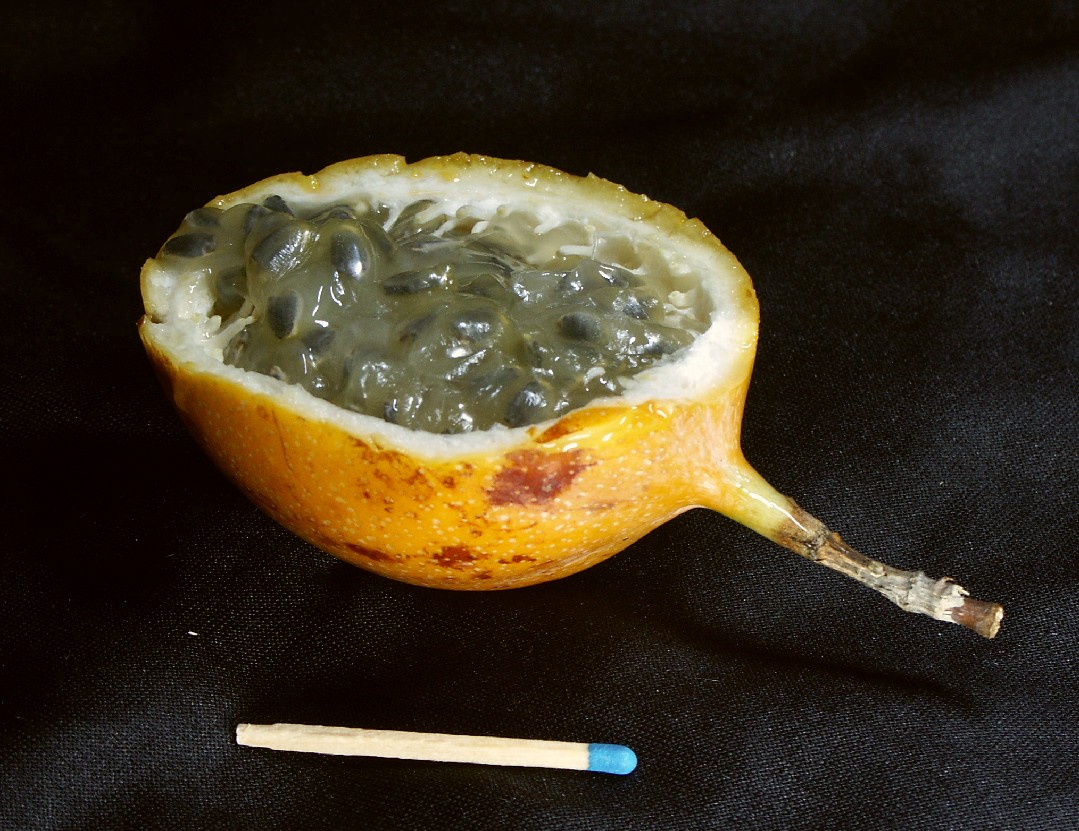
Lulo - sour green fire
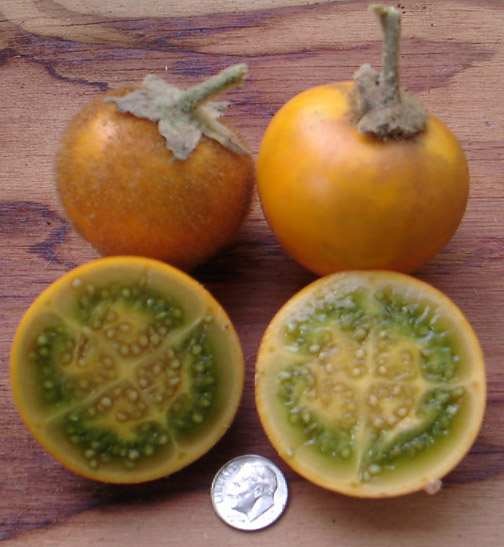
Outside it looks like a small fuzzy orange apple; inside, emerald pulp. In juice it is bright, slightly “tomato-like” and sour; in Cali they make lulada - with fruit pieces, ice, and condensed milk. You can eat it raw too, but juice is the main format.
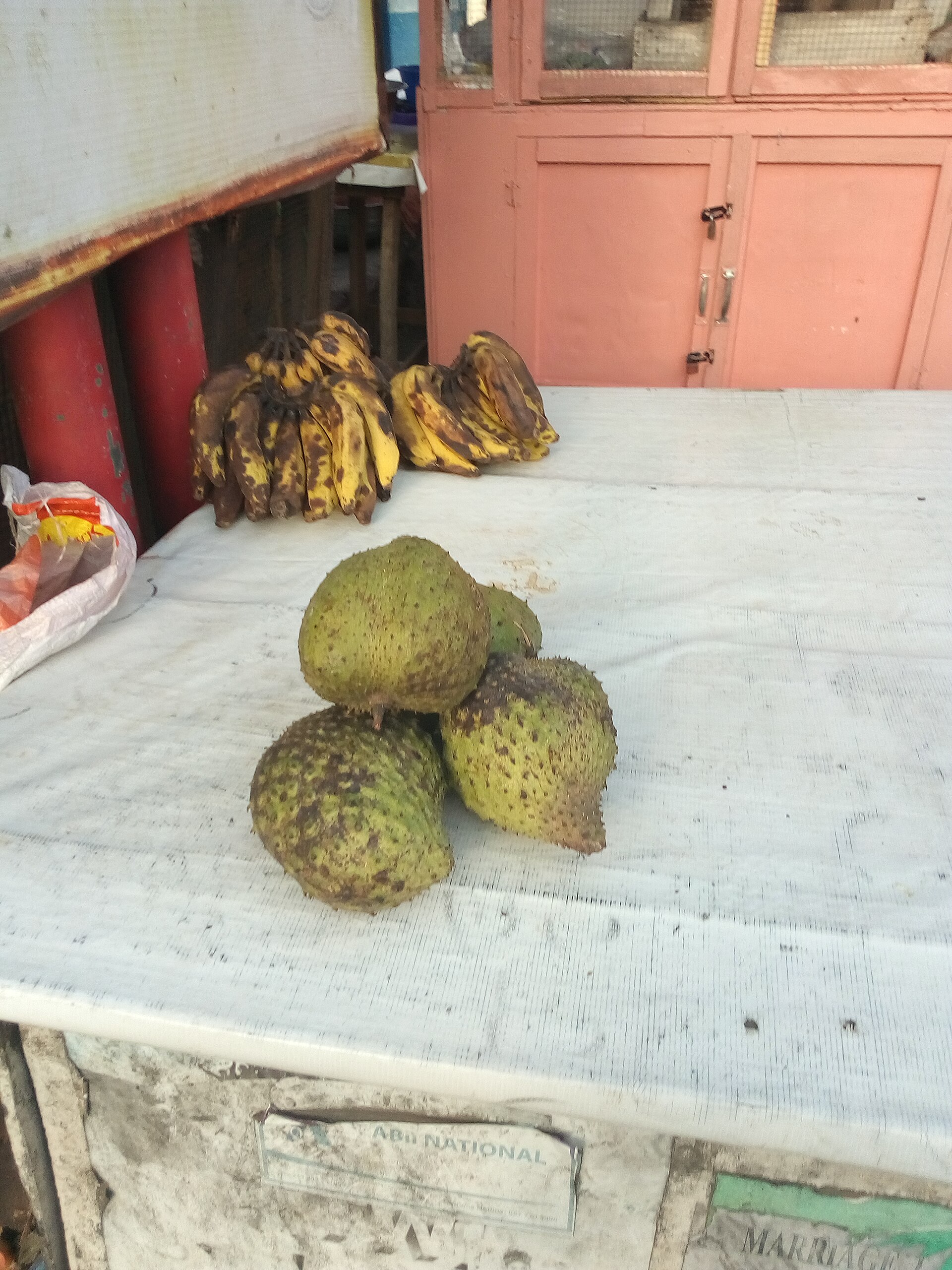
Guanábana - sour-sop
Large, green, in soft spikes. White, creamy, sweet pulp with a tang - hence the Russian nickname “sour-sop apple.” Do not eat the seeds. Juice is thick; in heat it is one of the best ways to cool down without ice cream.
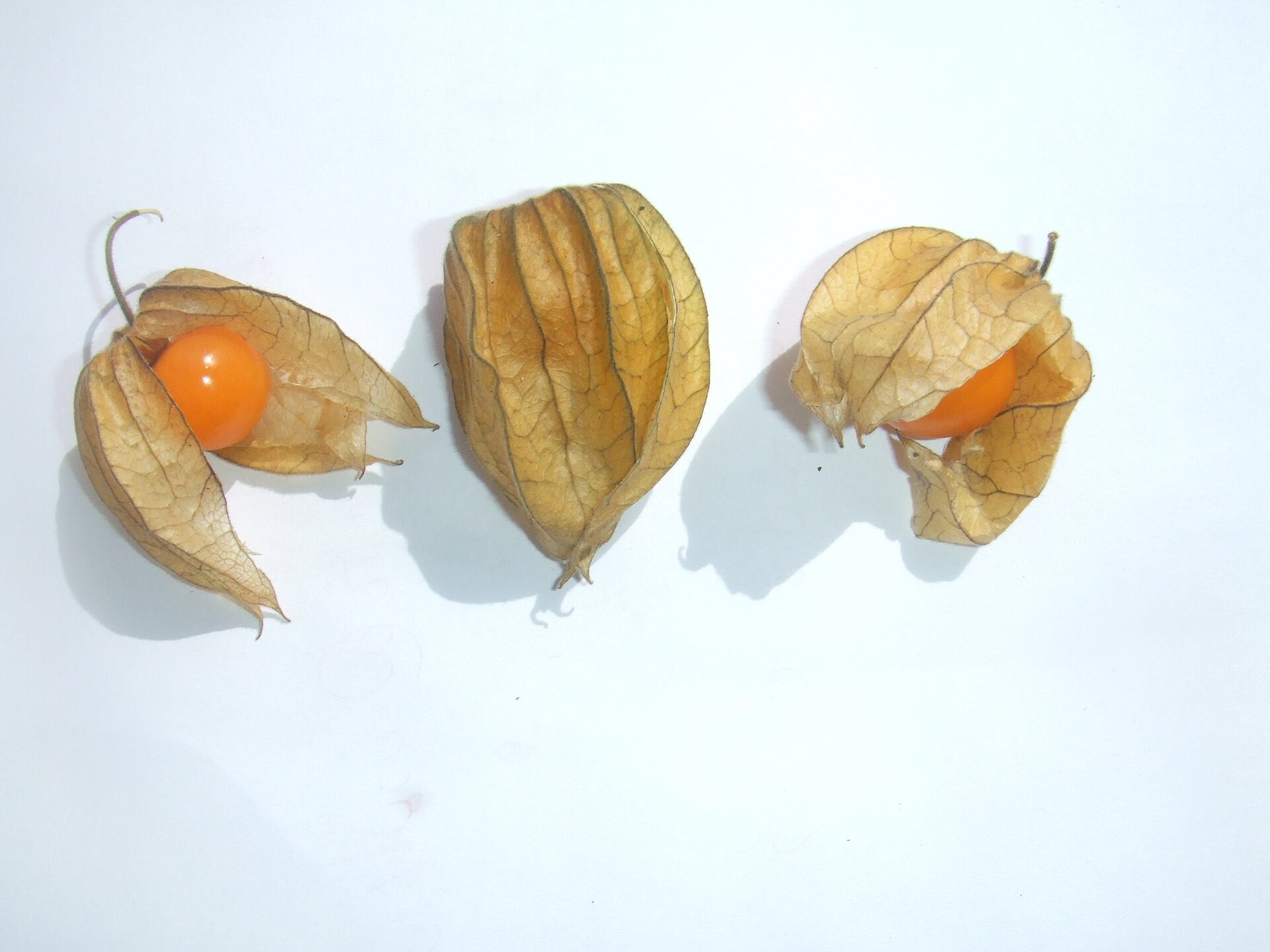
Uchuva - lantern with a berry
Physalis in a papery “lantern”: open it - bright orange berry. Sweet-sour, good on its own, in yogurt, or on cakes. Colombia is a major uchuva exporter; here it is as ordinary as grapes.
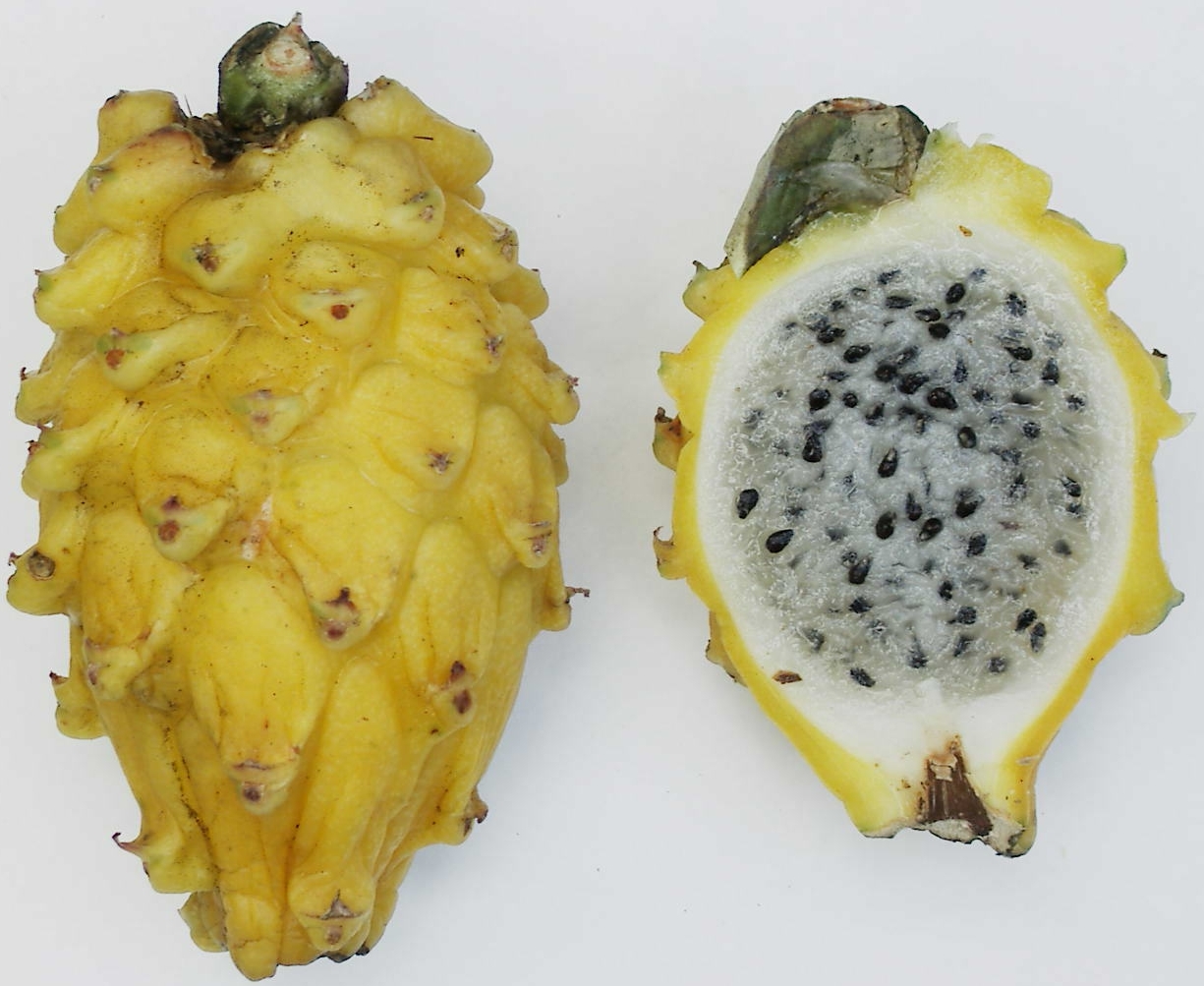
Yellow pitaya
Not the pink “dragon fruit” from Asia. Here the shell is often yellow and the flesh white with black seeds - sweeter than the pink kind. Eat chilled with a spoon; juice exists too, but the fruit is already dessert.
Guayaba, feijoa, tomate de árbol
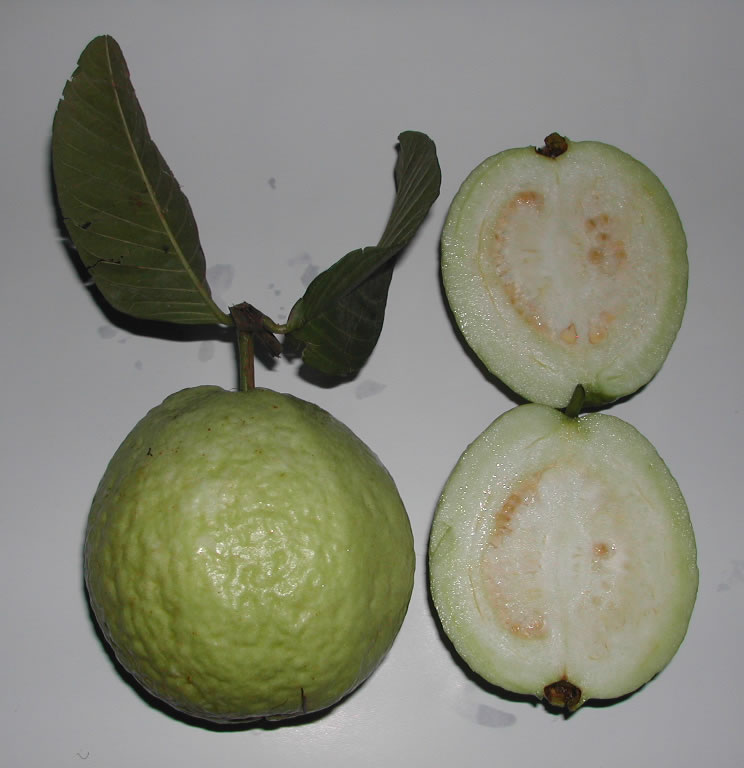
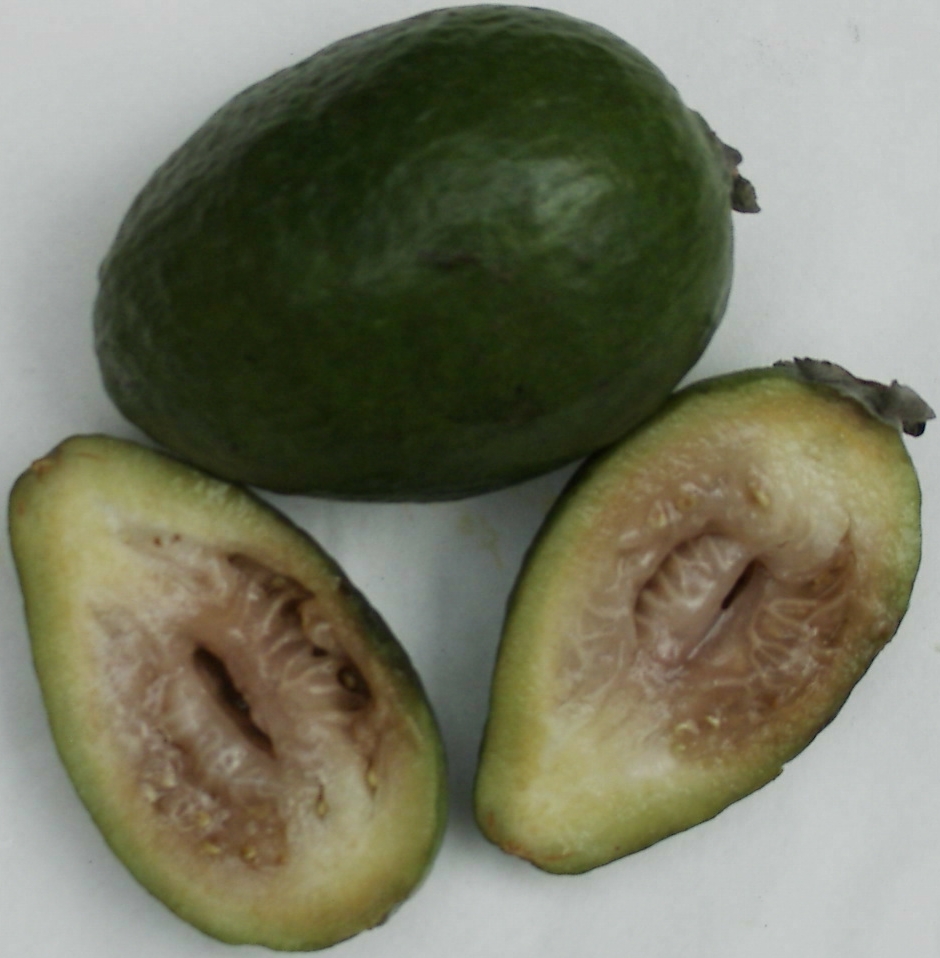
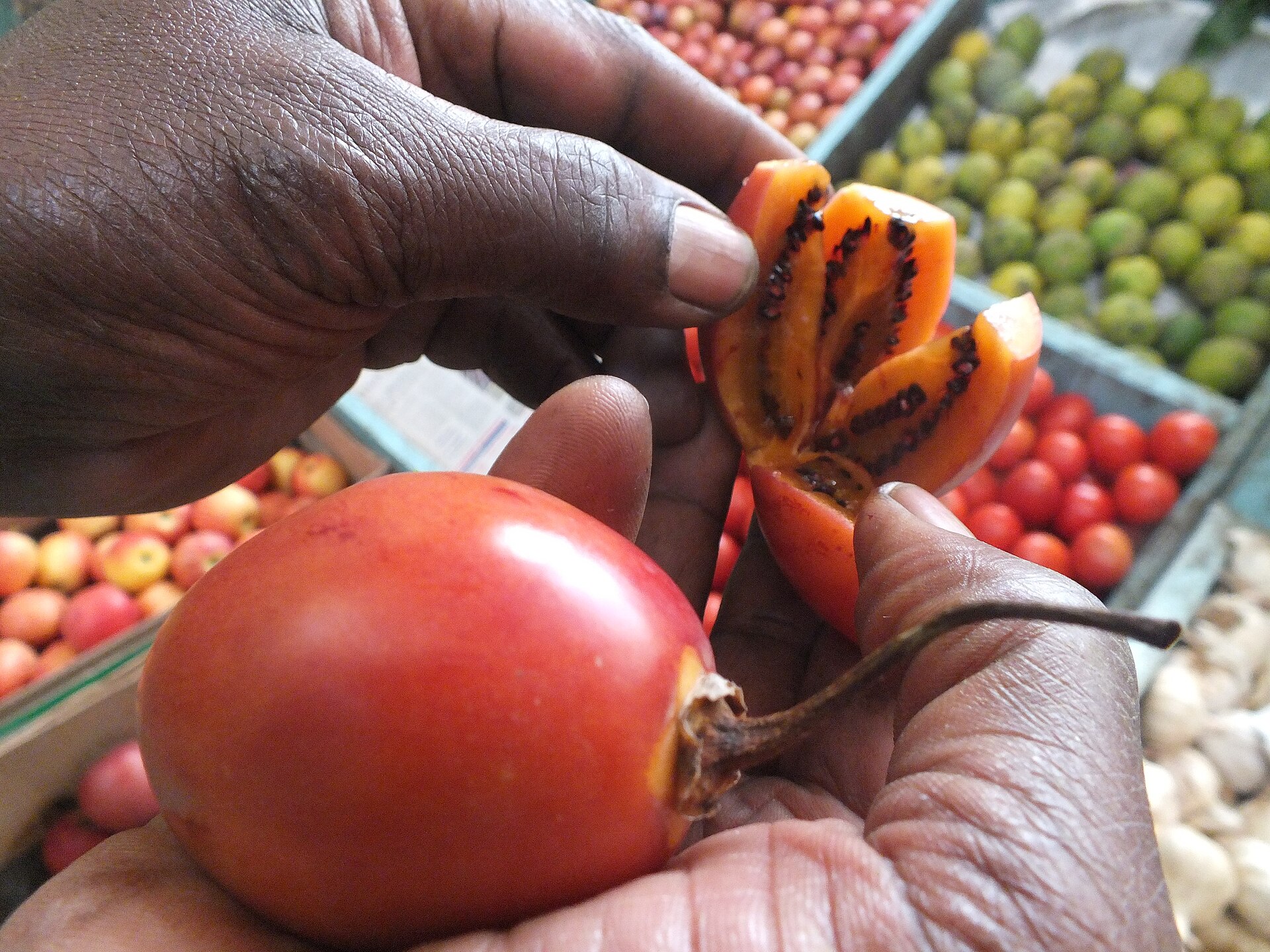
Guayaba - guava: strong aroma, white to pink flesh, in juices and bocadillo (fruit paste). Feijoa - greenish, pineapple-strawberry scent; more common in Bogotá and at altitude. Tomate de árbol (tamarillo) - egg-shaped “tree tomato”: bright in juice, slightly tart; not everyone likes it raw, almost everyone likes it as juice.
Chontaduro - palm fruit in a bag
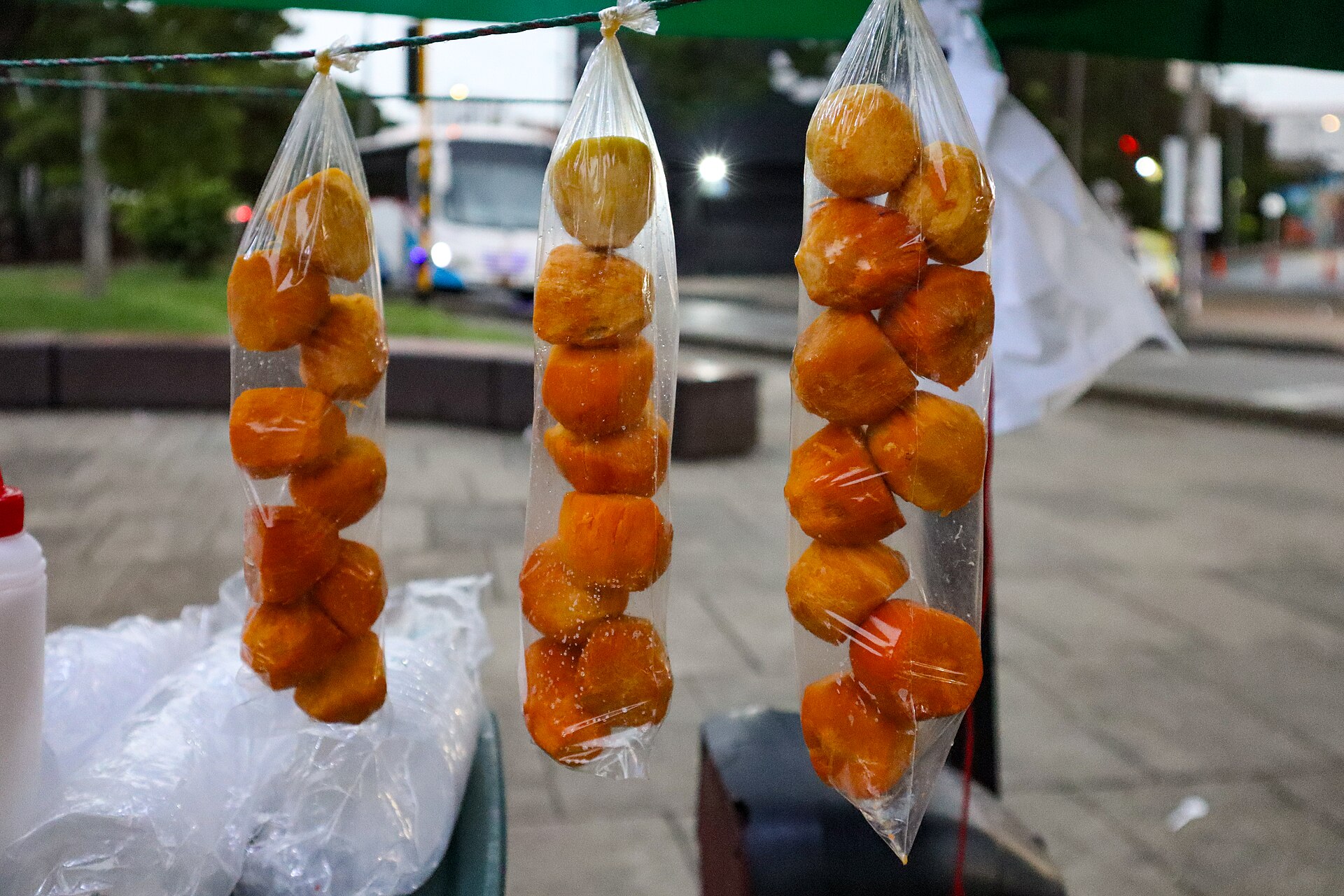
Not a sweet “display fruit” but boiled orange peach-palm fruit. On the streets of Cali and the coast they sell it in clear bags; eat with salt and honey (sometimes condensed milk). Texture is closer to boiled chestnut or sweet potato - a surprise if you expected a berry.
Familiar, but Colombian-style
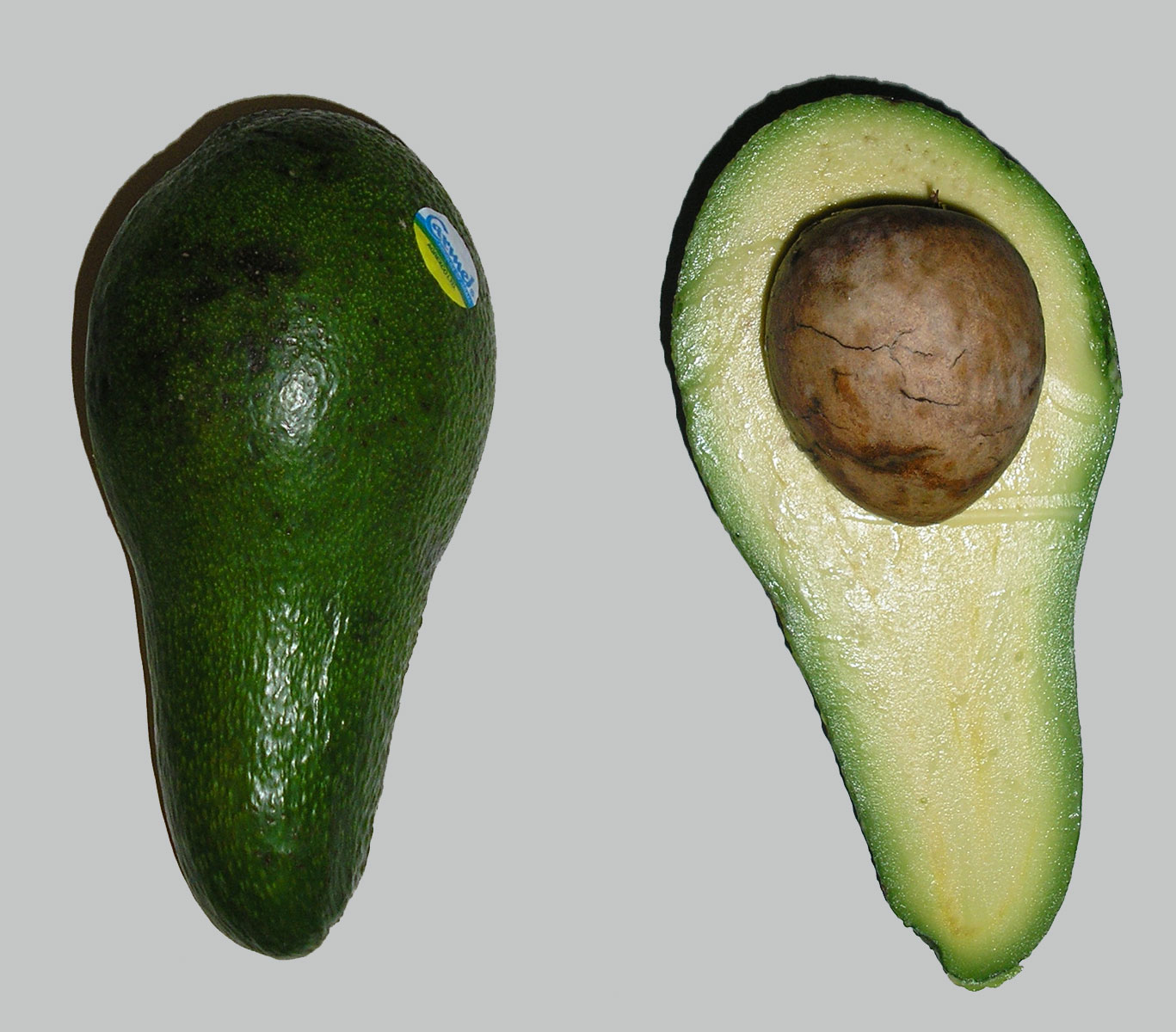
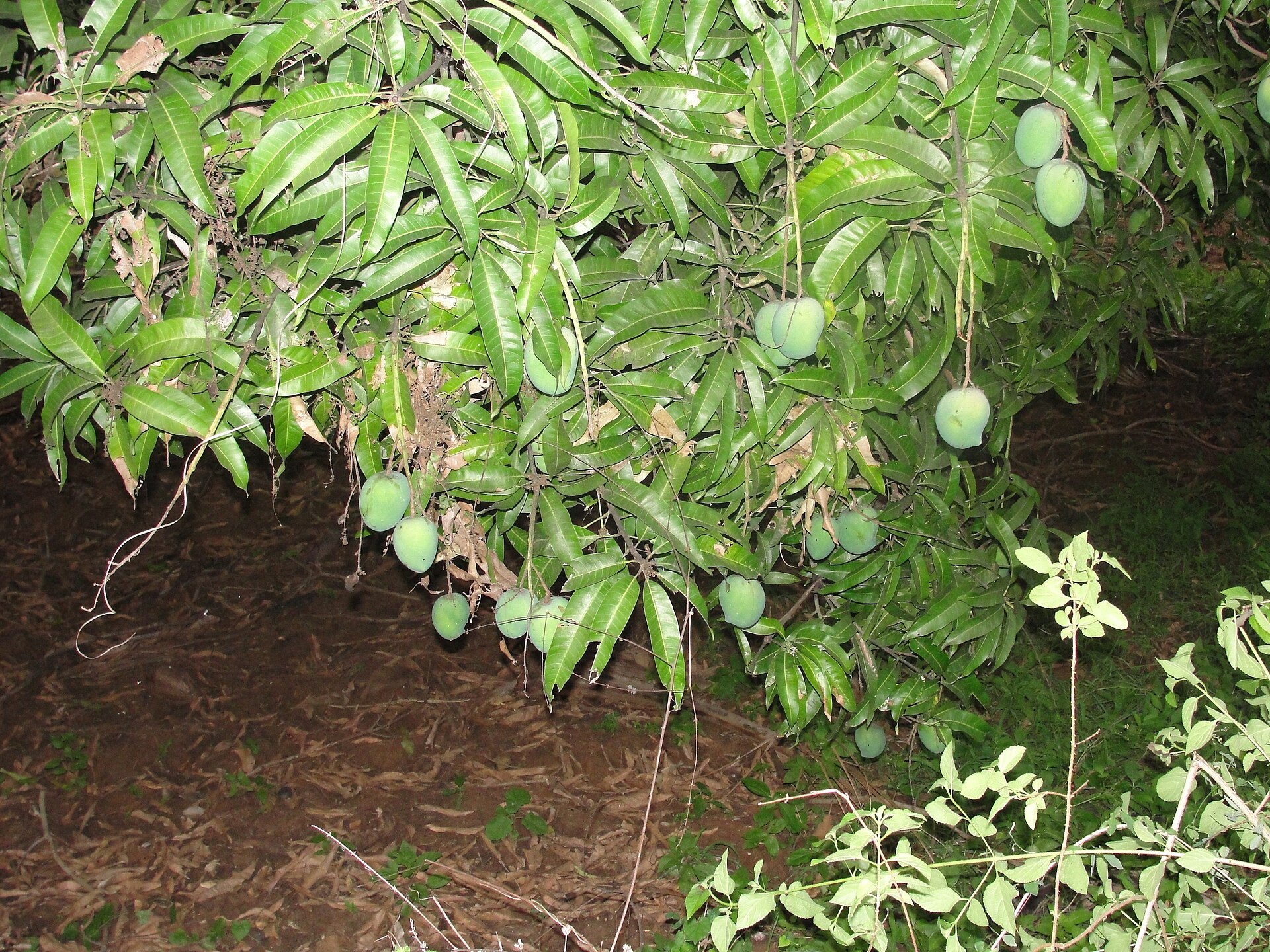
Aguacate - avocado here: often large, oily, cheaper than European Hass. Goes with soups, arepas, salads. Mango - from green sour to honey-ripe; in heat they cut it on the street with lime and salt.
How to drink and buy
In cafés and on corners ask for juice en agua (in water) or en leche (in milk). “Unsweetened” - sin azúcar; otherwise they often pour it sweet. At the market check smell and softness, not color alone.
Bottled or filtered water is safer the first month; city tap water is usually fine for washing fruit. Older photo overview: “Fruit Colombia”. Where to eat near fruit and juices: Food.
Next
Food · City guide · Why Colombia · Spanish