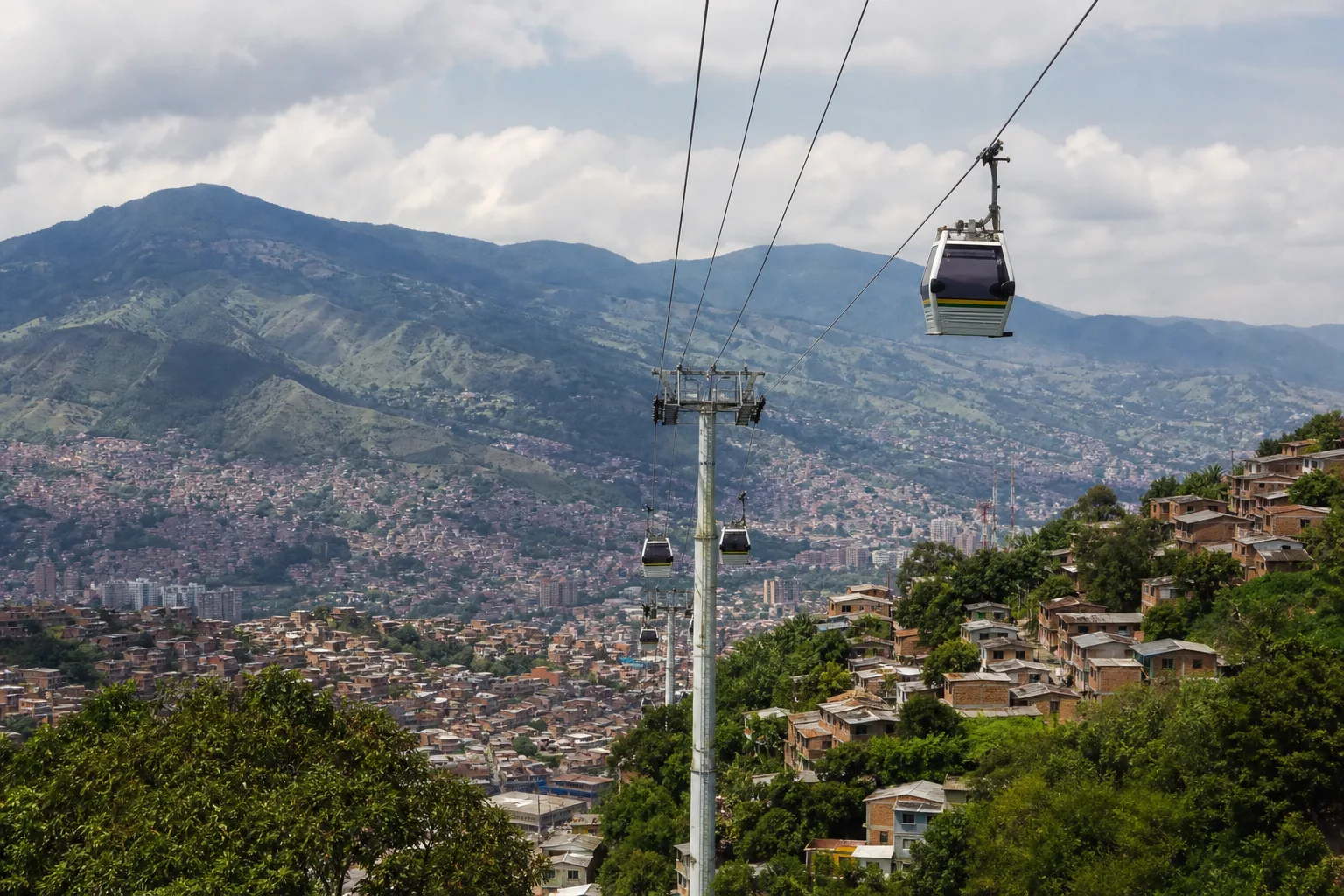
A car in Colombia means freedom to leave the city for the coffee region or the coast without bus schedules. It also means Pico y Placa, hills, motorcyclists in traffic, and a rental contract where small print can cost more than a day’s rate.
Below: rentals, mandatory SOAT insurance, Pico y Placa, checking the car in RUNT, and tourist licenses under Mintransporte / Secretaría de Movilidad rules.
Car rental
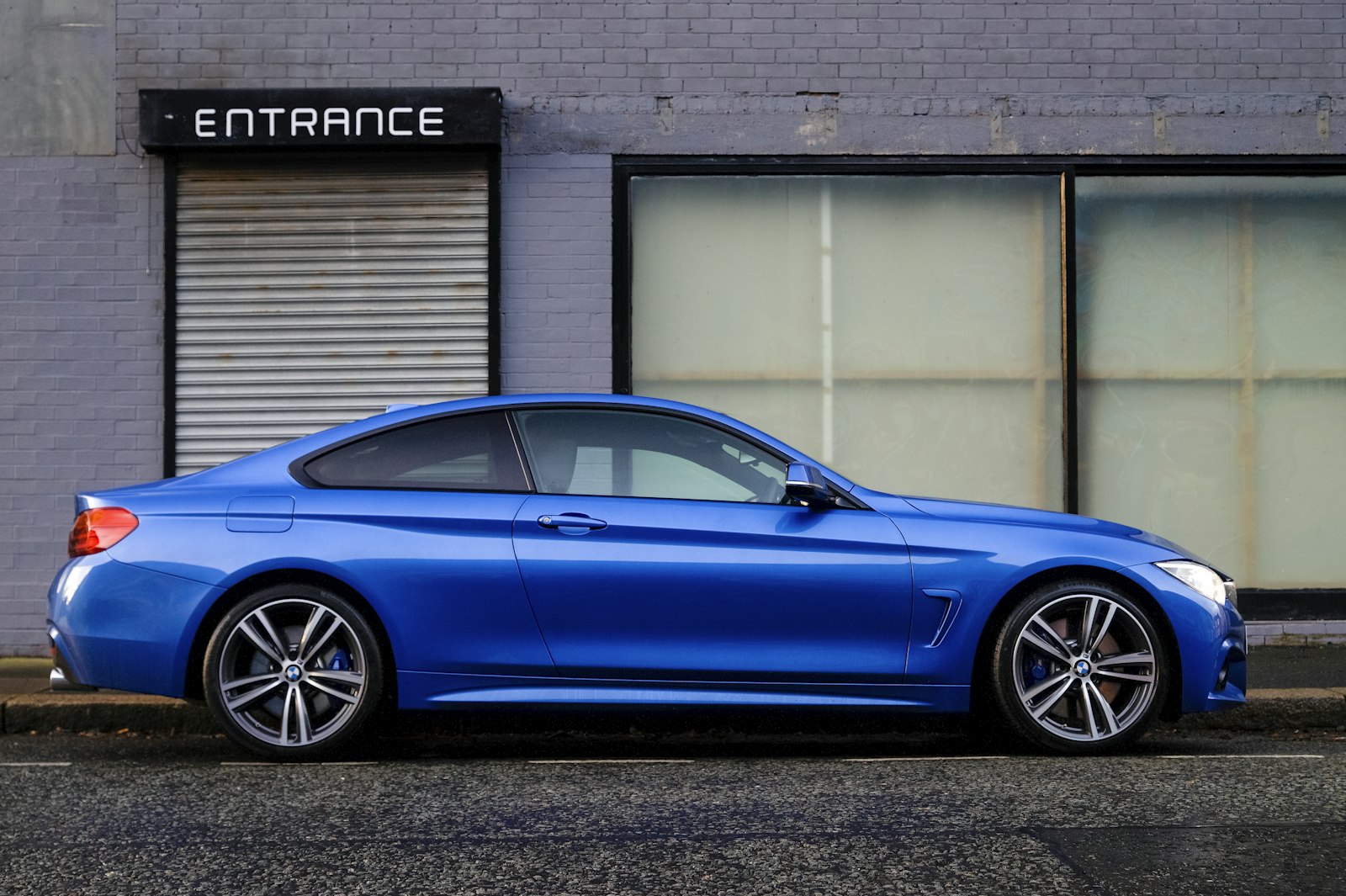
Book online and compare the final price: insurance, deposit, second driver, mileage and “full tank.” At the airport is convenient right after landing; in the city it’s cheaper and easier to inspect the car in daylight.
Localiza - one of the leading chains: offices nationwide, major cities and airports. Good for personal and business trips.
Alquilatucarro - wide choice at affordable prices; fleet refreshed roughly every two years, flexible terms.
Alkilautos - aggregator comparing offers from different rental companies by city. A good starting point if you do not want to tie yourself to one brand.
SIXT - international network: economy to luxury, including premium at relatively calm prices for the segment.
Alquicarros - new cars of various brands, flexible rates.
Practice: photograph body and interior at pickup, read CDW/LDW deductible (this is not SOAT), confirm SOAT and RTM are valid. Note the plate number for Pico y Placa right away. Traveler experience: Vinsky forum.
Motorcycle rental
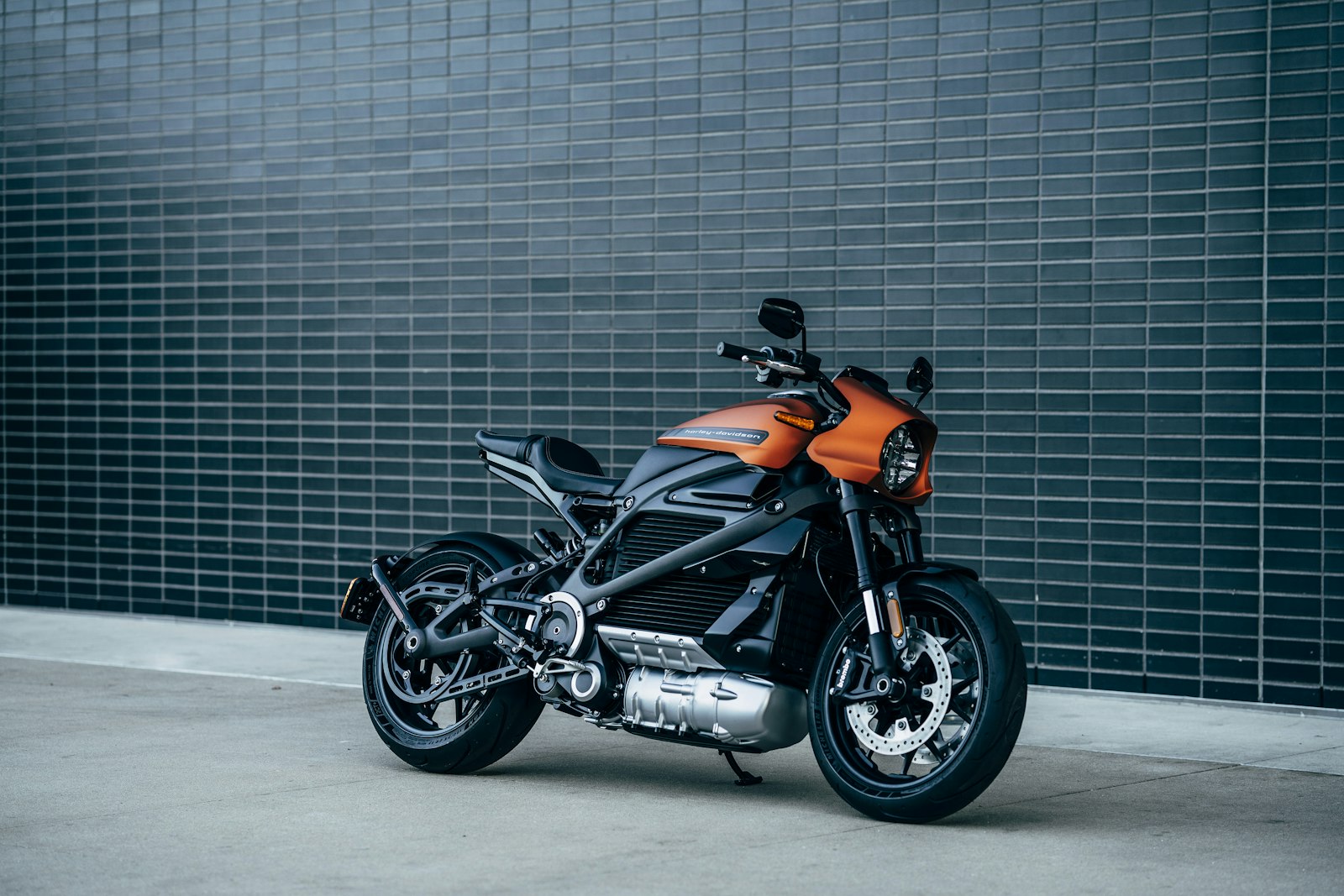
On a motorcycle you move faster in traffic, but the flow is dense, and rain on Medellín and Bogotá hills changes grip in minutes. Helmet is mandatory; for highways choose a model with power to spare and clear insurance terms.
Riderly - dozens of motorcycles, scooters and ATVs in Bogotá (from ~$38/day), instant booking and free cancellation. Convenient to compare options on one site.
RentalMotorbike - motorcycle and scooter rental across Colombia for several years: city bikes to adventure (including Honda XRE300, KTM 890 Adventure), roughly $36–160/day depending on model.
Foreign licenses (tourist)
Officially: valid foreign licenses of a tourist / person “en tránsito” are recognized for the allowed stay period, no longer than 6 months in the country. Basis - Art. 25 Ley 769 de 2002 (Código Nacional de Tránsito) and guidance from Mintransporte and Secretaría de Movilidad Bogotá.
Licenses must be valid. Carry passport with stamp/visa: police check you are in tourist status. International Driving Permit (IDP) does not replace national license by law, but sometimes simplifies talk at the rental desk and at checkpoints.
After 6 months foreign licenses cannot be used for driving. Next step - Colombian “primera vez” license, or (for convention countries) reconocimiento via Mintransporte. Per Bogotá FAQ, convention countries include: Spain, Peru, Korea, Chile, Argentina (verify the list on SDM / Mintransporte before applying).
Practical guide to starting from scratch: Getting a license in Colombia. IDP overview: International Drivers Association.
If you stay and switch to Colombian license
1. CRC. Medical exam at Centros de Reconocimiento de Conductores: vision, hearing, coordination, psychophysical test.
2. Documents. Foreign license (+ Spanish translation if needed), Cédula de Extranjería / ID, legal status, application to Secretaría de Movilidad / VUS.
3. Exams. Usually theory + practical. For convention countries - separate reconocimiento route (RUNT registration → Mintransporte → VUS).
4. Issuance. CRC and exam fees depend on city; after approval you receive a Colombian license.
Insurance: SOAT and rental
SOAT (Seguro Obligatorio de Accidentes de Tránsito) is mandatory for any motor vehicle on Colombian roads: local and foreign plates, cars and motorcycles. Covers medical care for accident victims. Without a valid policy in RUNT the vehicle may be stopped and impounded. Rule - Art. 42 Ley 769; policy registry - Registro Nacional de Seguros.
On a rented Colombian car SOAT is usually in the rental contract - ask at pickup and, if possible, verify the plate in Consulta ciudadana RUNT.
CDW / LDW / “full cover” in the rental agreement covers body damage and deductible with the rental company. SOAT does not replace them.
Which insurer to choose (local plates)
For cars and motorcycles with Colombian plates SOAT coverage is the same by law; rates are capped by Superfinanciera - “best” policy barely differs in payouts. In r/Colombia discussion people agree on something else: pick whoever makes online purchase easy and responds properly if something goes wrong.
- SURA - often praised for accident service (“they handle paperwork themselves”).
- Mundial - for some, payment on the site is more reliable; other companies’ checkout sometimes fails.
- AXA / Colpatria and other majors - fine if the purchase channel works.
- SOAT is also sold via aggregators / Rappi - same product; check the policy shows in RUNT immediately.
Buy only from Superfinanciera-registered companies or verified intermediaries (SUCIS). After payment open RUNT: no record - for police there is no policy. Fakes and “cheap PDF” do not work.
SOAT does not insure your motorcycle against theft or fix the bumper. For that - separate póliza todo riesgo / third-party liability; terms and prices vary widely by insurer (HDI and others mentioned in the same thread).
This is for local plates. Foreign plate from the border - different process (below): online “like locals” often does not work.
Your own car / motorcycle from the border
If you enter with your own car or motorcycle (Ecuador, Venezuela, Panama…), you need two different documents: customs allows the vehicle in the country, SOAT allows driving on roads. Without both you formally cannot leave the border zone.
1. Import permit
At the border they issue temporary import for a tourist vehicle: importación temporal de medios de transporte de turistas at DIAN (electronic service available; on site - vehicle/passport check). You need vehicle documents, passport and Migración entry permission. Term usually up to 6 months, not longer than your migration status. Without this authorization the vehicle is “not in the country” for customs - even if you have a passport stamp.
Practical order from community experience: cross the border and get vehicle entry confirmation first, then get SOAT and drive inland. You often cannot open a policy for a foreign plate “from home” in advance.
2. SOAT for foreign plates
SOAT for placa extranjera is issued by authorized insurers (Superintendencia Financiera). Officially short terms are possible - from days / 15 days and monthly for transit at the border (SFC, Mintransporte / Circular 013 de 2024). Motorcycles are included.
In practice (community chat experience - verify on site):
- online “like locals” for a year on a foreign plate often does not work - you need a border office or agent with system access;
- few insurers actually issue foreign plates at checkpoints; prices vary, ballpark from ~150 USD depending on term, vehicle type and office;
- plate may match an existing Colombian one in RUNT - system breaks, policy does not register first time; then people try several offices until one can process a foreign plate manually;
- without SOAT you formally cannot drive beyond the border zone: fine is noticeably more than the policy.
Documents usually: ownership / registration, your ID / passport (sometimes PPT/TMF in border regimes), data after entry. Policy must appear in RUNT - otherwise police treat it as missing. Details and rates change via SFC circulars - check fresh guidance on Mintransporte / Superfinanciera before the trip.
What happens without SOAT
Caught without valid SOAT - large fine (dozens of daily minimum wages; in dollars often roughly $200–400+ - amount changes yearly) and vehicle impounded. Tow and storage days are paid separately: total can easily run 2–3× the border policy price.
Retrieval only after SOAT is issued and fine plus storage paid. Exact amount - on the ticket or city Secretaría de Movilidad site; figures here are orientation, not a price list.
RUNT and vehicle check
RUNT - national registry: SOAT, técnico-mecánica (RTM), vehicle data, some license info. Useful for tourists:
- before long rental or purchase - verify SOAT and RTM by plate;
- after border SOAT purchase - confirm policy is visible in the system;
- when getting local license - RUNT registration is mandatory.
Public lookup: portalpublico.runt.gov.co (foreign plates may use a different path - “Extranjero”). Fines - SIMIT. Ask the rental company how camera fines are forwarded.
Pico y Placa
On weekdays, by last plate digit, entry into a zone/time is restricted. Rental cars are subject too. You learn the number only at pickup - check the city calendar immediately. Fine + possible tow.
Bogotá: current days, hours and exceptions (including solidario) - Secretaría Distrital de Movilidad. Schedule changes by decree - do not rely on chat screenshots.
Medellín / Área Metropolitana: rotation and hours - Alcaldía de Medellín - Pico y Placa and Secretaría de Movilidad. Usually weekdays, long daytime window; digits rotate by semester.
Other cities (Cali, Cartagena, Barranquilla…) have their own windows - open the city Secretaría de Movilidad before the trip. Intercity highways are often freer of city rules, but re-entering the city on your restricted day still triggers cameras.
Official sources
- Ministerio de TransporteFAQ on foreign licenses, traffic rules
- Ley 769 de 2002Código Nacional de Tránsito (Art. 25 - foreign licenses)
- RUNT·Consulta por placa · Registro de seguros (SOAT)
- Movilidad Bogotá·FAQ: foreign licenses · Abecé Pico y Placa
- Movilidad Medellín·Pico y Placa hoy
- SIMITnational fines / comparendos database
- DIANtemporary import of tourist car/motorcycle
- Superintendencia Financiera·Mintransporte: SOAT for foreign vehicles
- r/Colombia: best insurer for SOATservice and online purchase experience
Rules and calendars update often. Before a trip open the links above, not chat summaries.
Next
Transport · Why Colombia · Crime · Visa